Tree Removal Services: Ensuring Safety and Aesthetic Appeal in Your Yard
Tree removal service options are a crucial component of keeping a yard safe and visually attractive. Overgrown, damaged, or diseased trees can pose significant risks to both property and individuals. Additionally, strategic tree removal can dramatically improve the overall aesthetics of a landscape. Understanding when and why these services are essential can help homeowners make informed decisions. What factors should one consider before proceeding with tree removal?
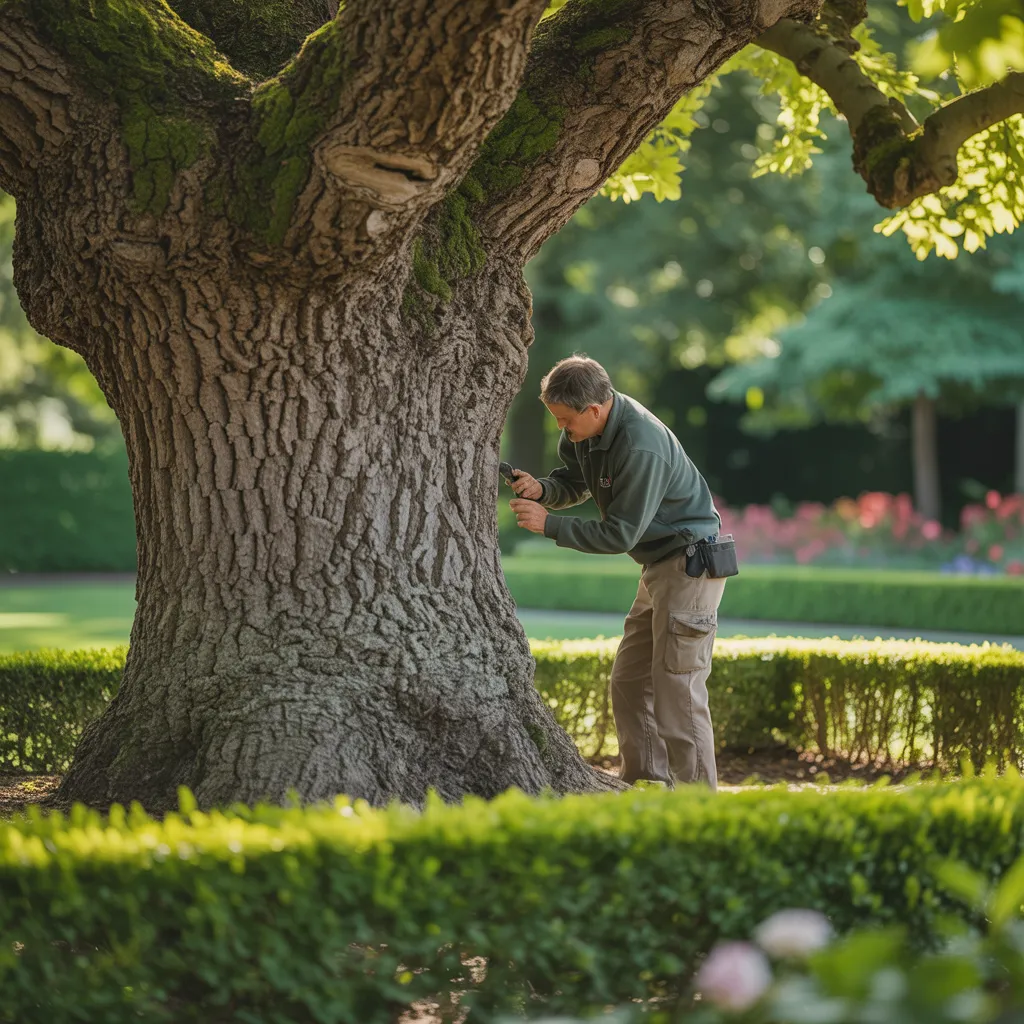
Knowing When Tree Removal Is Needed
Moreover, environmental factors, such as roots intruding upon foundations or walkways, can necessitate removal. In addition, the general visual appeal and spatial factors of a yard may influence the decision. By copyrightining these considerations, homeowners can arrive at educated decisions regarding removing trees, ensuring the safety and visual appeal of their surroundings.
Why Tree Removal Matters for Safety
When copyrightining the security of a property, tree removal frequently becomes necessary, specifically when trees create dangers for adjacent buildings or individuals. Overgrown or damaged trees can lead to significant hazards, including dropping branches or whole trees toppling during severe weather. These incidents can cause severe damage to homes, vehicles, and outdoor spaces, while also presenting a danger to the wellbeing of residents and guests.
Moreover, trees affected by pests or diseases may undermine their structural integrity, elevating the risk of unpredictable failures. In metropolitan areas, closeness to power lines greatly heightens the requirement for removal, as falling branches can interrupt electrical services and cause perilous circumstances.
The Impact of Professional Tree Removal on Landscape Aesthetics
Expert tree removal significantly improves the visual appeal of landscapes by enhancing the visual harmony of exterior environments. By strategically removing overgrown or misplaced trees, property owners can boost natural light penetration, promoting healthier growth of surrounding plants. Additionally, a properly managed outdoor space frequently results in increased property worth, rendering professional tree removal an excellent long-term investment.
Better Visual Equilibrium
A well-maintained landscape often relies on the precise balance of its elements, and tree removal can play a pivotal role in achieving this harmony. When certain trees become overgrown or misaligned with the overall design, they can interrupt the aesthetic continuity of the yard. Skilled tree removal allows homeowners to reconfigure views and develop a more unified visual appeal. This process can enhance the prominence of existing features, such as garden beds or decorative stonework, allowing them to shine without competition from unruly foliage. Furthermore, the removal of diseased or deteriorating trees can reduce unwanted distractions, contributing to a more pristine visual presentation. Ultimately, strategic tree removal fosters a degree of harmony, elevating the attractiveness and charm of the overall landscape.
Increased Sunlight Exposure
Although trees offer shade and shelter, an overabundance of canopy coverage frequently results in reduced sunlight penetration across a landscape. Professional tree removal can greatly enhance the aesthetic appeal of outdoor spaces by allowing more natural light to penetrate the area. Greater sunlight encourages lusher grass and vegetation, supporting vivid colors and robust growth. Furthermore, it can create a more inviting atmosphere, making outdoor spaces feel larger and more open. This transformation can also highlight architectural features of the home and improve the overall visual balance of the landscape. By strategically removing select trees, homeowners can achieve a harmonious blend of greenery and light, enhancing the enjoyment of their outdoor environment.
Increased Property Value
Strategic tree removal can significantly boost property value by enhancing landscape aesthetics. By removing dead, diseased, or overcrowded trees, homeowners are able to establish a more spacious and welcoming environment. This not only enables greater sunlight access but also draws attention to the existing plants, rendering the yard more groomed and visually pleasing. Skilled tree removal professionals make certain that trees are taken down safely and efficiently, protecting adjacent structures from potential damage. Additionally, a well-maintained landscape can boost curb appeal, making properties more enticing to potential buyers. By choosing professional tree removal services, homeowners can dramatically improve the aesthetic quality of their outdoor areas, resulting in a notable rise in property value and market appeal.
Key Things to Look for in a Tree Removal Service
When hiring a tree removal service, what attributes should one look for to ensure a reliable and effective process? To begin, verify the company's credentials, including proper insurance and valid licensing. This ensures the service is credible and shields against possible liability issues. Additionally, consider the experience and expertise of the crew. An experienced crew can properly evaluate the circumstances and complete the removal without harming nearby structures.
Furthermore, client reviews and testimonials help gauge the reliability and quality of the company's work. A reliable service provider should also offer clear, detailed estimates and a well-defined process, identifying possible risks and approaches. To conclude, ask about the safety protocols and equipment employed during removal. Prioritizing these qualities can contribute to a more efficient process, confirming that the tree is removed efficiently while preserving safety standards and professionalism throughout.
Yard Care Tips After Tree Removal
Following tree removal, homeowners ought to concentrate on revitalizing the landscape to bring back its visual charm and vitality. useful guide The primary step includes inspecting the area for residual roots or waste material, which may obstruct new plant development. Eliminating leftover stumps or wood debris is essential for keeping pests at bay and opening up space for fresh plantings.
Next, homeowners should consider soil condition. Performing soil testing can reveal nutrient deficiencies, making it possible to apply the right corrective treatments to promote the establishment of new plants. Choosing native or well-adapted species for replanting can contribute to sustaining the natural ecosystem and improve the aesthetic appeal of the yard. Mulching around new plants retains moisture and suppresses weeds.
Consistent watering and checking for pests is vital in the initial growth phase. Furthermore, developing a consistent upkeep routine, including periodic pruning and fertilization, helps foster a thriving outdoor space. By applying these guidelines, property owners can ensure their lawns flourish post-tree removal.
Dispelling Common Misconceptions About Tree Removal Services
Within the realm of tree removal services, a number of misconceptions commonly emerge that can mislead homeowners. These misconceptions frequently ignore important factors such as safety risks and the environmental impact of tree removal. Through copyrightining these widespread misconceptions, a clearer picture of professional tree removal can emerge.
Frequently Misunderstood Concepts Clarified
Misconceptions about tree removal services commonly distort public perception, causing homeowners to avoid seeking expert guidance. One prevalent myth is that every tree removal task is perilous and requires exclusively trained specialists. Although safety remains a top priority, many trees can be removed with proper techniques and equipment. Another misconception is that tree removal guarantees increased property value; yet this outcome is far from guaranteed and relies on multiple considerations. Moreover, certain homeowners think that taking down a tree creates an unappealing outdoor space, yet professional services can significantly improve outdoor appeal with thoughtful design. At its core, correcting these false beliefs helps property owners approach tree removal decisions with greater knowledge and assurance.
Safety Concerns Neglected
Despite the common belief that tree removal is a simple process, many homeowners underestimate the dangers involved. The process is not merely about cutting down a tree; it necessitates skill to handle potential hazards such as falling branches, electrical lines, and unstable ground. Inexperienced persons often overlook these dangers, leading to injuries or property damage. Furthermore, the use of heavy equipment demands specific knowledge to handle properly. False beliefs continue that hiring professionals is not required, yet experienced tree removal services are outfitted with the right tools and safety protocols to reduce dangers. Dismissing these safety concerns can have dire consequences, making it essential for homeowners to appreciate the complexities of tree removal before taking it on without help.
Environmental Impact Misconceptions
Although many assume that tree removal inevitably has a negative impact on the environment, this viewpoint frequently neglects key considerations. Responsible tree removal can actually promote ecological balance. As an copyrightple, the elimination of dead or diseased trees helps curb the spread of harmful pests and diseases, preserving the health of adjacent vegetation. Additionally, carefully planned tree removal can improve light penetration for thriving vegetation and strengthen soil conditions by limiting the rivalry for essential nutrients. Moreover, when trees are removed, sustainable practices such as replanting or landscaping with native species can lead to improved biodiversity. Unfounded beliefs that all tree removal causes damage overlook the positive outcomes of well-considered intervention, demonstrating that when done correctly, tree removal can contribute positively to the environment. Understanding these nuances is essential for informed decision-making regarding tree care.
Frequently Asked Questions
What Is the Typical Cost of Tree Removal?
Tree removal services generally run from $300 to $2,000, with the price influenced by factors like the size of the tree, its location, and the difficulty of the work. Additional fees may arise for removing the stump or navigating hard-to-reach locations.
Is Tree Removal Included in Homeowners Insurance Coverage?
Tree removal may be part of homeowners insurance, subject to the details of the policy and the reason for removal. It's essential for property owners to thoroughly review their coverage and speak with their insurance providers for further guidance.
How Long Does the Tree Removal Process Take?
Tree removal usually takes a few hours to a full day, depending on the tree's size, location, and complexity of the job. Considerations including crew and equipment availability can also influence the length of the job.
Is It Possible to Remove a Tree on My Own?
Removing a tree personally is possible, but it demands considerable expertise, ability, and cautionary measures. Numerous elements, such as the tree's size and placement, affect the choice. Expert help is frequently advised to ensure safety and correct methodology.
What Permits Do You Need for Tree Removal?
Local regulations frequently determine the permits needed for tree removal. In most cases, homeowners must review municipal guidelines, as permits might be necessary for specific tree species, dimensions, or if the tree is found within environmentally protected regions.